Corporate and Commercial
Owner Managed Businesses
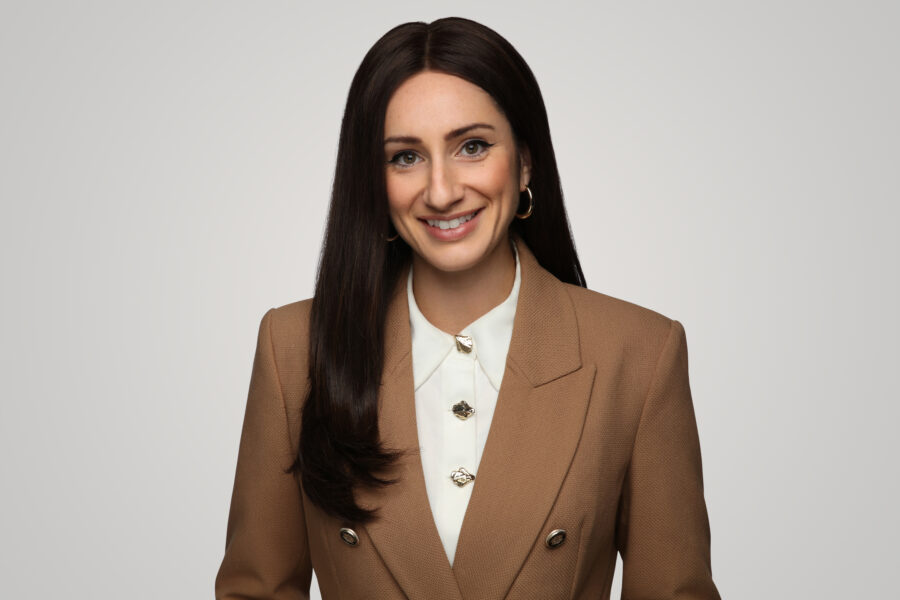
Charlotte Hamilton
December 2025
No, we haven’t lost the plot, beauty is big business, £30.4 billion big. And few know that better than Jonathan Grubin, founder of SoPost, the UK leader in digital campaigns for product sampling. SoPost helps brands reach the right people in the right places with sampling experiences that drive awareness, conversion, and high-quality engagement. They work with household names, so when Jonny talks trends, we listen.
The beauty and wellness industry is evolving and scaling fast, think sleep-focused campaigns, TikTok Shop dominance, and cross-border acquisitions. But behind the glitter and gloss lies a legal layer every entrepreneur in this space needs to understand to keep this billion-pound industry thriving.
Jonathan Grubin shared what is trending, and Charlotte Hamilton, Associate in Corporate and Commercial, explained what it means for your business along with the legal position that we advise our clients in this space not to ignore.
Trend 1: Leaning into Sleep
Today, the elevation of sleep has moved from a basic necessity to the “ultimate luxury” and a status symbol. This is driven by an increasing understanding of sleep’s vital role in physical appearance and overall well-being and brands are ‘waking-up’ to this market opportunity for example, Estée Lauder’s “Beauty Sleep Dupe” campaign for Advanced Night Repair Serum or Kourtney Kardashian’s wellness brand releasing ‘Lemme Sleep’.
Legal Insight: Whilst we’d all love a miracle product to grant us more sleep, health-related claims must be substantiated under UK ASA guidelines and EU advertising law. Where the Americans may get away with it, Misleading claims in the UK and EU can lead to fines and reputational damage.
Tip: Businesses must always keep evidence for any wellness or performance claims and navigate the use of the language they use to either avoid claiming what they can’t prove or have the receipts to back it up.
Trend 2: TikTok Shop Outpaces Sephora
TikTok Shop goes beyond selling, it’s starting to rewrite the beauty playbook. Its social-first shopping experience blends content and commerce so seamlessly that viral trends turn into instant sales. Lower-cost marketing gives small brands a fighting chance, while “motion creators” showcase products in ways that make you feel the texture, the glow, the result, right through your screen.
Meanwhile, Sephora leans on tradition: brand loyalty and in-store experiences. But TikTok’s impulse-driven model is winning, especially with younger shoppers who want discovery, not routine.
Legal Insight: Selling through social platforms brings its own challenges. It often means navigating consumer protection laws designed to ensure fair treatment, prevent misleading advertising, ban aggressive sales tactics, and guarantee that products are safe and services meet acceptable standards. The Competition and Markets Authority (CMA) continues to update and refine these rules. On top of that, GDPR compliance is critical, and Tik Tok makes it clear that sellers are responsible for ensuring they meet all requirements.
Tip: Ensure data handling meets the ever evolving UK/EU standards.
Trend 3: US Powerhouses Enter UK Market
US beauty powerhouses like Ulta Beauty and Sephora have entered the UK market by acquiring established local retailers, including Ulta’s acquisition of Space NK and Sephora’s acquisition of Feelunique. This strategy allows them to bypass the challenges of building from scratch and gain immediate access to a loyal customer base, a strong retail presence, and crucial market knowledge.
Legal Insight: This means fierce competition in the UK as these US powerhouses are now backing existing UK businesses, circumventing any set up challenges. We think this gives our clients all the more reason to make sure that they are set up properly. Consider the status of your IP, contracts, employment and regulatory compliance.
Tip: Make sure your IP, workforce, practices and contracts are in order early so that litigation is not what holds you back.
Trend 4: The consumer no longer trusts you
Consumer trust is at an all-time low, and it’s important that beauty businesses weave authenticity, community and trial into their marketing to gain trust and create a loyal consumer base.
Legal Insight: Consumer trust is fragile, the Advertising Standards Authority (ASA) are cracking down on misleading ads and influencer non-disclosure to combat this. Influencer disclosure rules are increasingly important to consider, they require that content creators clearly and conspicuously disclose any “material connection” to a brand – Grace Beverly of TALA was hit pretty hard by this one.
Tip: Authenticity wins. Get your influencer agreements drafted with clear disclosure obligations, build authenticity through compliant campaigns and community-driven engagement. It’s good ethics and good business.
Bottom line :
Legal foresight can act as a competitive advantage. Whether you’re launching a product, scaling via social commerce, or eyeing acquisitions, understanding the legal landscape keeps your brand thriving and out of costly trouble.
Contact Jonathan Grubin to see how SoPost can ensure your campaign success and if you want more detail on what considerations your business should consider contact Charlotte Hamilton.
Read the rest of The Fineprint edition 2 here.